
BLUETTI AC500 Home Integration Kit (120V Single / 120V+240V Split-Phase)
EP500 Pro Home Integration Kit: The kit that upgrades AC500 from portable to home-fixed backup: An AC500 out of the box is a modular power system powerful, expandable, but portable in the “roll it out of the garage” sense. Plug appliances directly into its outlets and it works, but you’re limited to whatever you can reach with an extension cord.
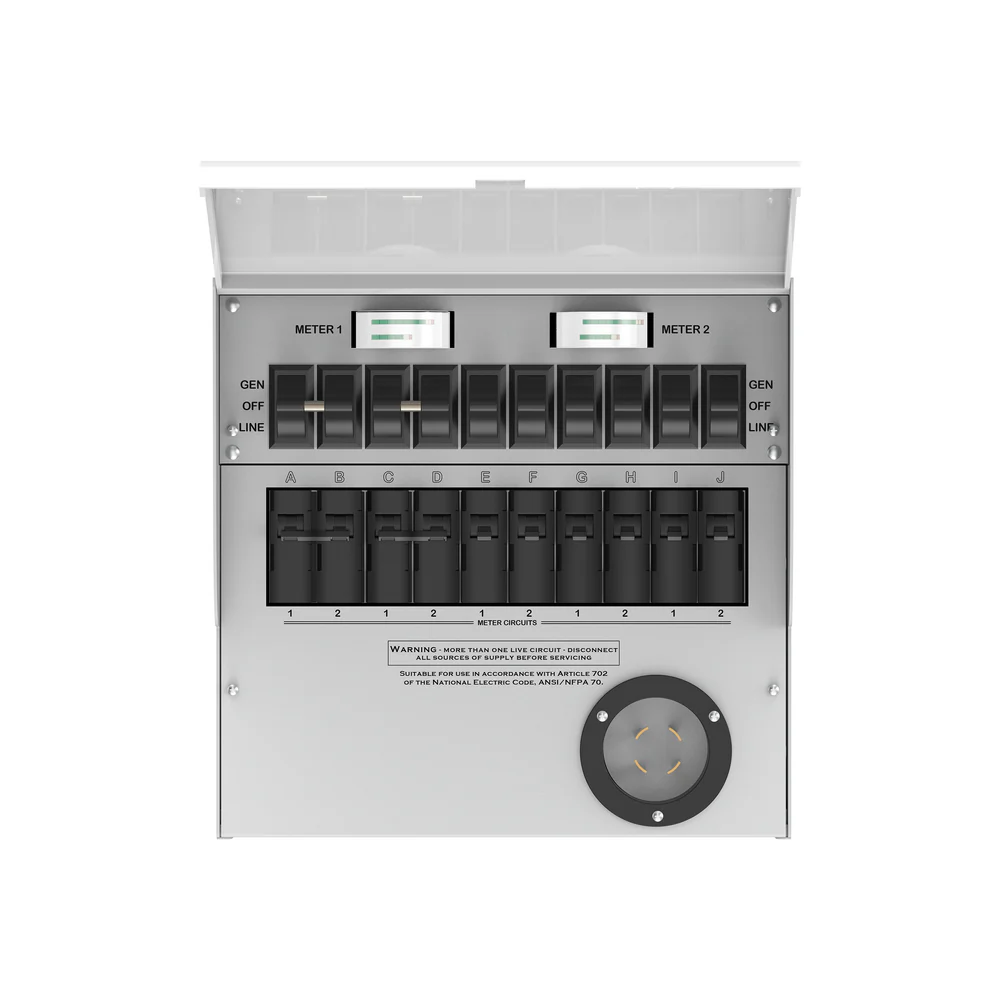
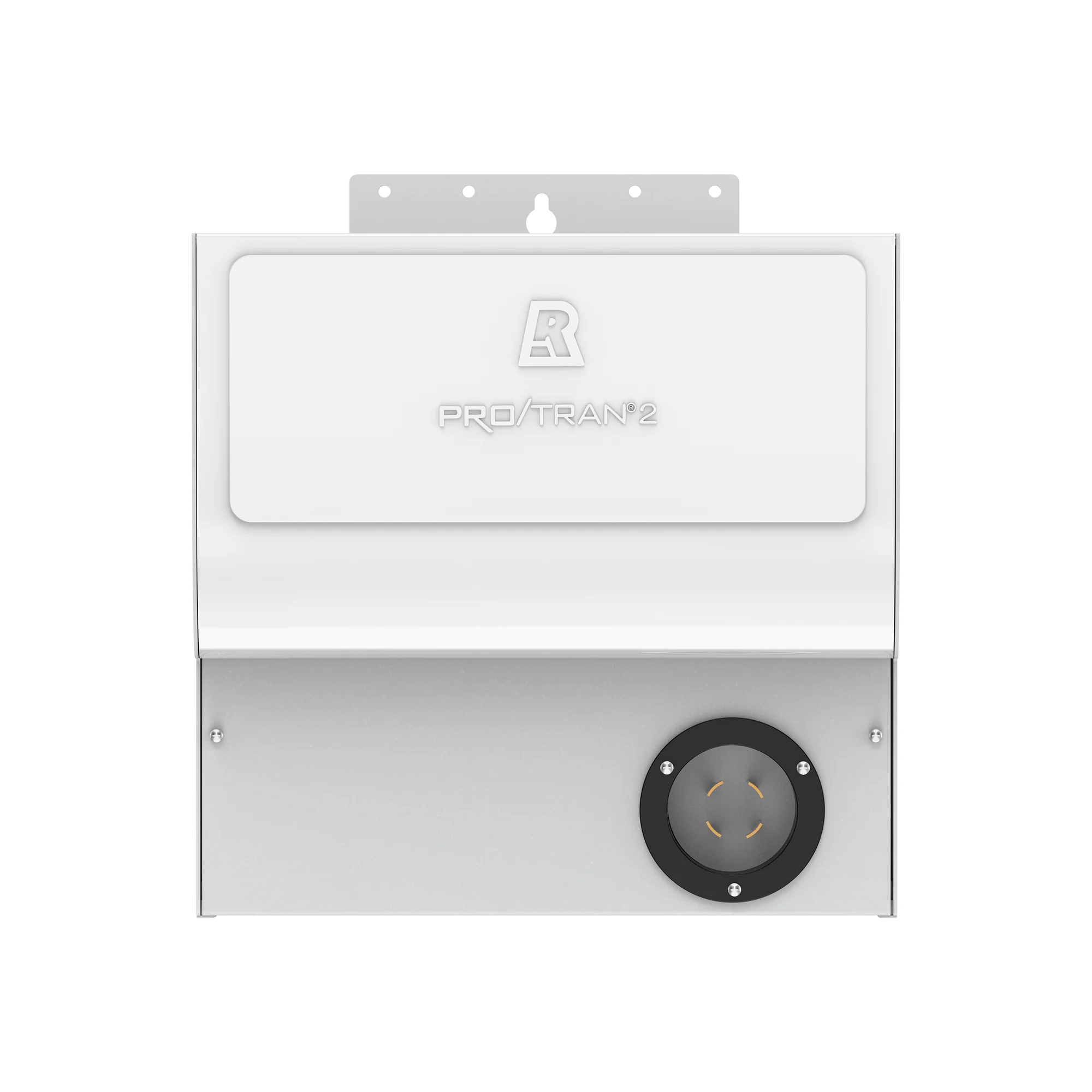
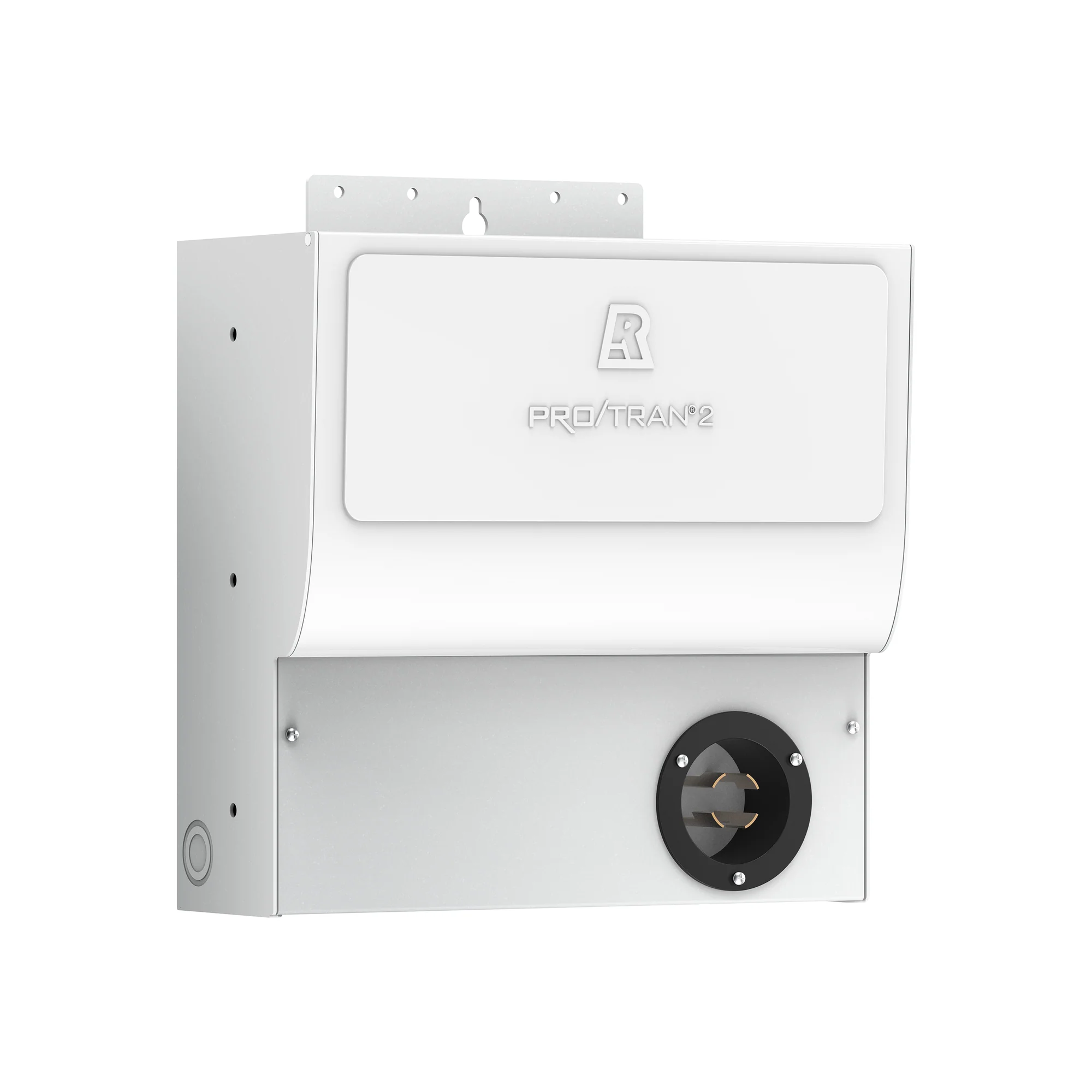
The AC500 Home Integration Kit changes that fundamentally. It provides the transfer sub-panel, inlet box, and cabling needed to hardwire the AC500 into your home’s electrical system through a Reliance Controls transfer switch the reference brand for residential backup transfer systems in North America.
The result: when the grid drops, you walk to the panel, flip the transfer switches, plug the AC500 into the outlet box, and your selected home circuits run on battery power. Fridge stays cold, well pump keeps working, heat pump keeps heating, home office stays up. No extension cords, no daisy-chained power strips, no compromises.
Choose the right variant single-unit or split-phase
This is the biggest decision on this page. The two variants serve fundamentally different setups.
| Required AC500 units | 1 | 2 |
| Required B300S batteries | At least 1 (typically 2+) | At least 2 (BLUETTI CA recommends 4) |
| Output configuration | 120V single-phase | 120V + 240V split-phase |
| Max continuous output | ~5,000 W | ~10,000 W |
| Typical backup capacity | ~6,144 Wh (with 2 B300S) | ~12,288 Wh (with 4 B300S) |
| Best for | Essentials-only backup, smaller homes | Whole-home backup, 240V appliances (well pumps, dryers, EV chargers) |
Pick the 120V single-unit kit if:
- You have (or plan) one AC500 with 1–2 B300S batteries
- Your backed-up loads are 120V only — no 240V appliances
- You want essentials coverage (fridge, freezer, lights, comms, home office)
Pick the 120V/240V split-phase kit if:
- You have (or plan) two AC500 units synchronised together
- You need 240V for well pumps, electric range, dryer, EV charger, or heat pump
- You want whole-home coverage rather than essentials only
- You expect multi-day outages and want the extra capacity headroom
The split-phase kit cannot be run with a single AC500 it requires two units synchronised via the included communication cable. If you only own one AC500, buy the single-unit kit and plan to upgrade later, or add a second AC500 first.
How the split-phase system works
The split-phase variant is where the AC500 platform gets clever. In North America, most homes run 240V split-phase two 120V “hot” legs (L1 and L2) that combine to 240V for larger appliances. A single 120V power source can’t drive a 240V load like a well pump or electric range.
Two AC500 units, connected through this integration kit’s communication cable, act as those two 120V legs. One AC500 provides L1, the other provides L2, and together they synthesise a proper 240V split-phase output that your existing home wiring accepts natively. From the electrical panel’s perspective, the paired AC500s look like a 10 kW split-phase generator.
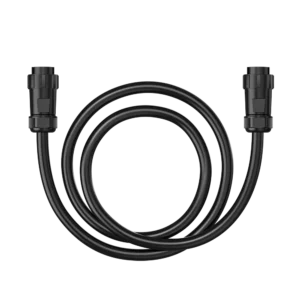
The communication cable is what makes this work without it, two AC500s are just two independent 120V sources. With it, they synchronise phase, share load, and behave as a single 240V system.
What’s inside each kit
AC500 Home Integration Kit (120V Single Unit):
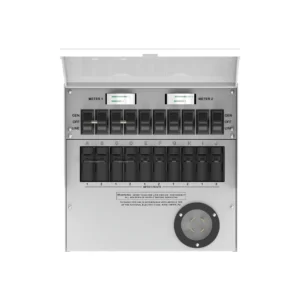
- 1 × Reliance Sub-Panel with 50A SS2-50 Inlet
- 1 × Reliance 50A Outlet Box (exterior-mount inlet)
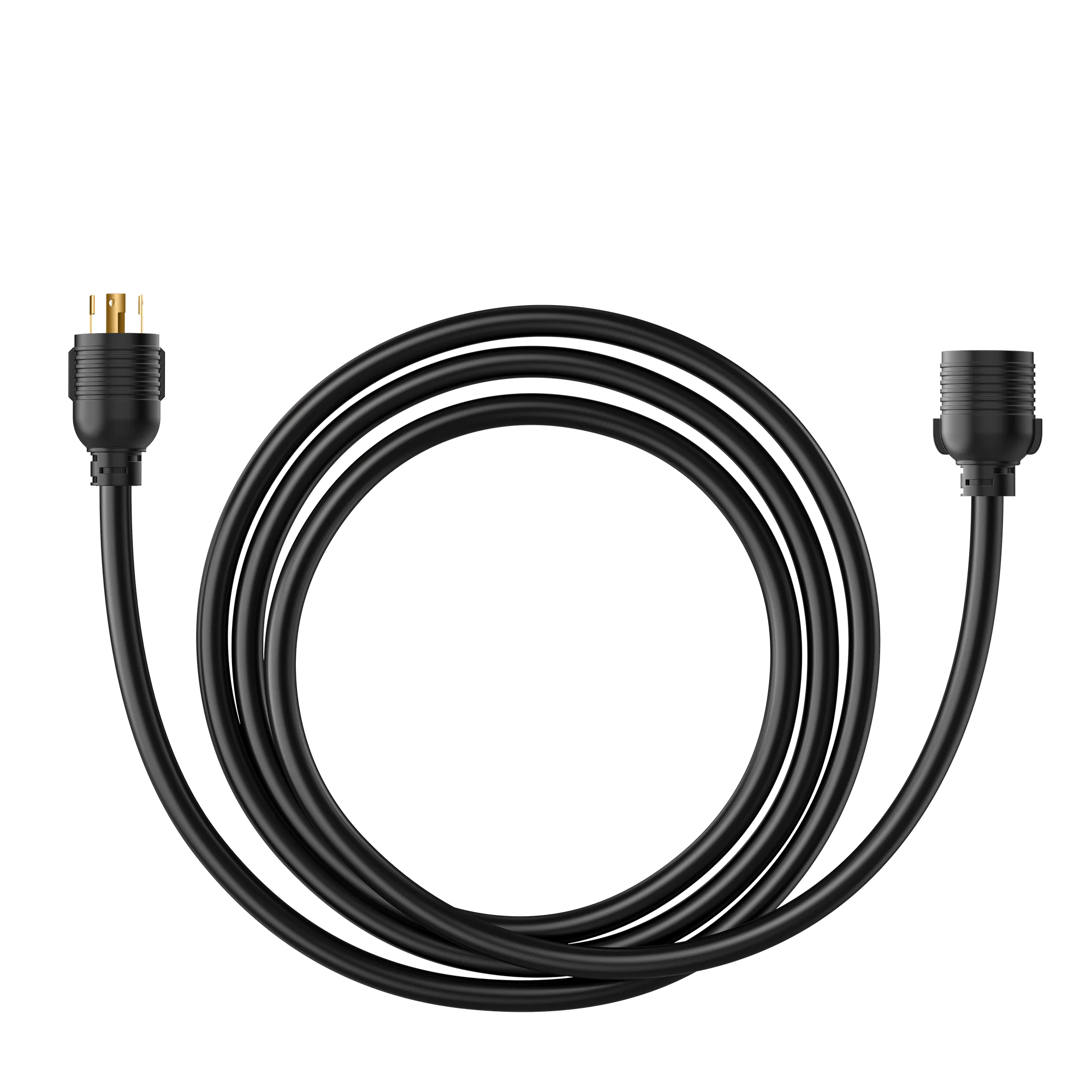
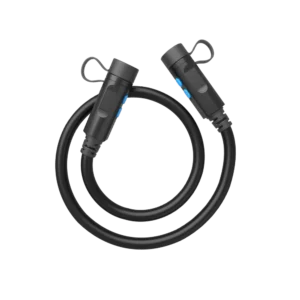
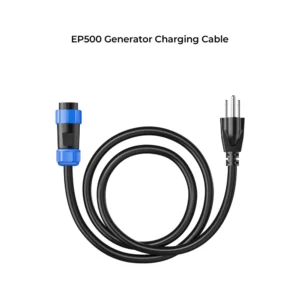
- 1 × 50A AC Charging Cable
- 1 × NEMA 14-50 to SS2-50R Cable
AC500 Home Integration Kit (120V/240V Split-Phase):
- 1 × Reliance Sub-Panel with 50A SS2-50 Inlet
- 1 × Reliance 50A Outlet Box (exterior-mount inlet)
- 1 × 50A Split-Phase AC Charging Cable
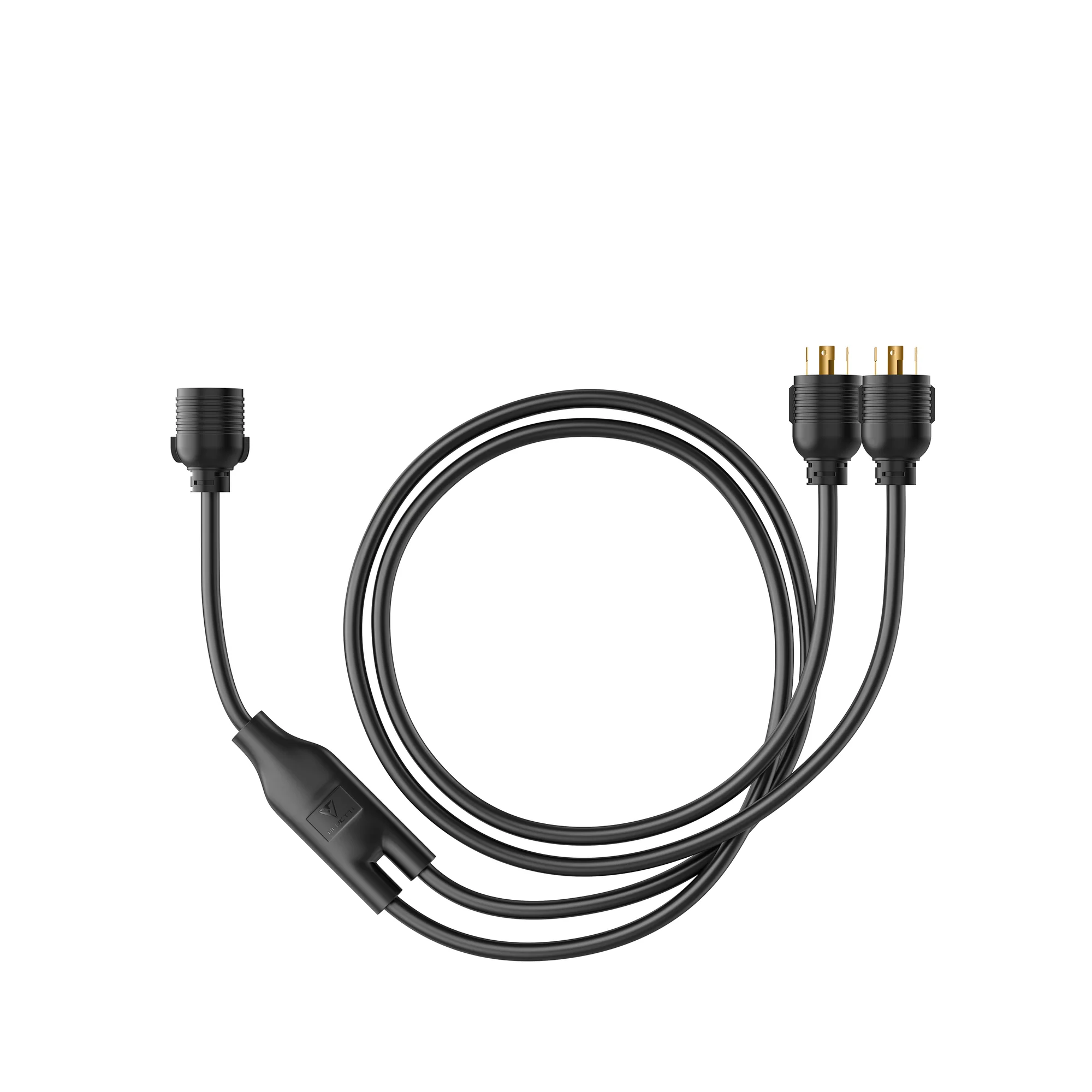
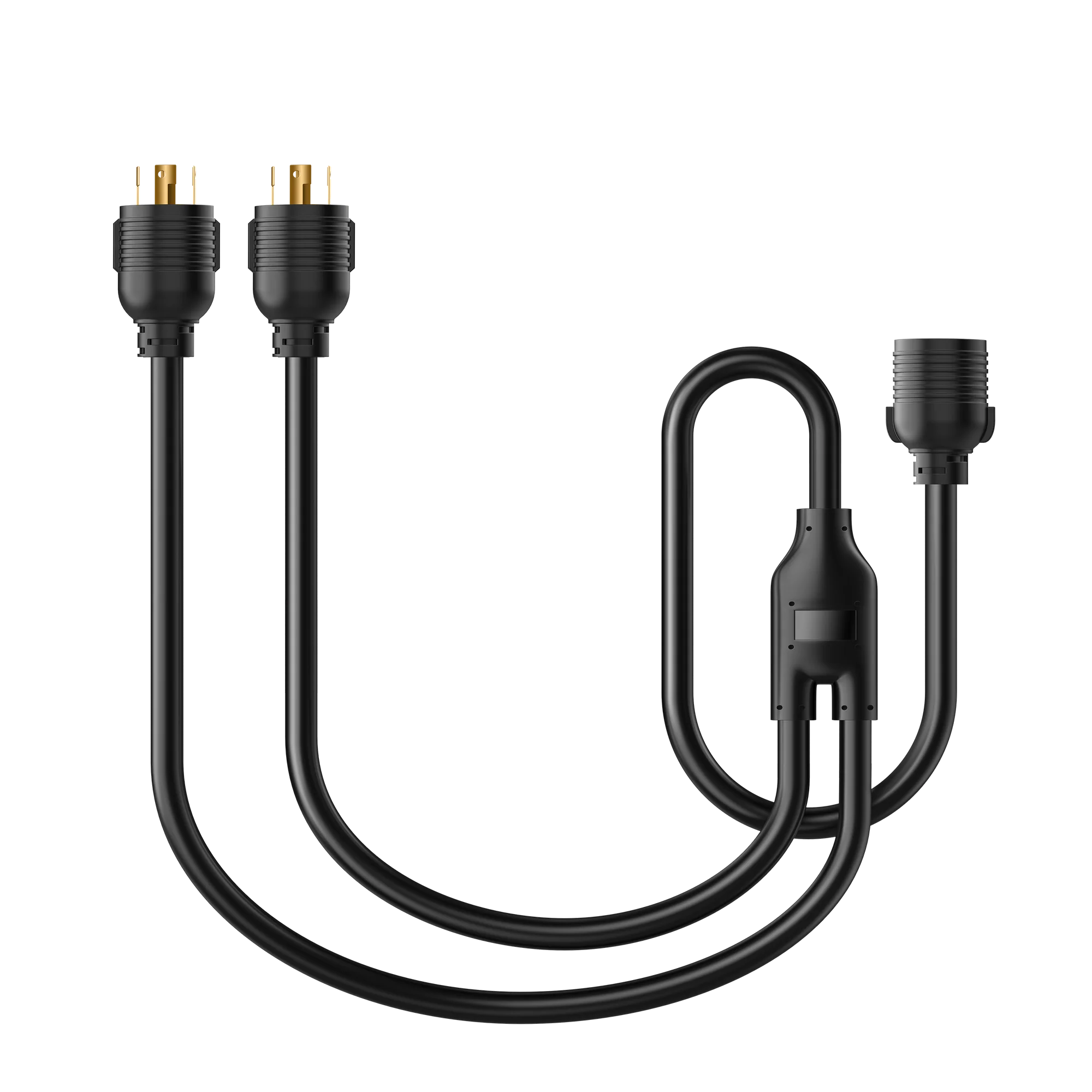
- 1 × Dual NEMA 14-50 to SS2-50R Cable (connects both AC500 NEMA 14-50 output ports)
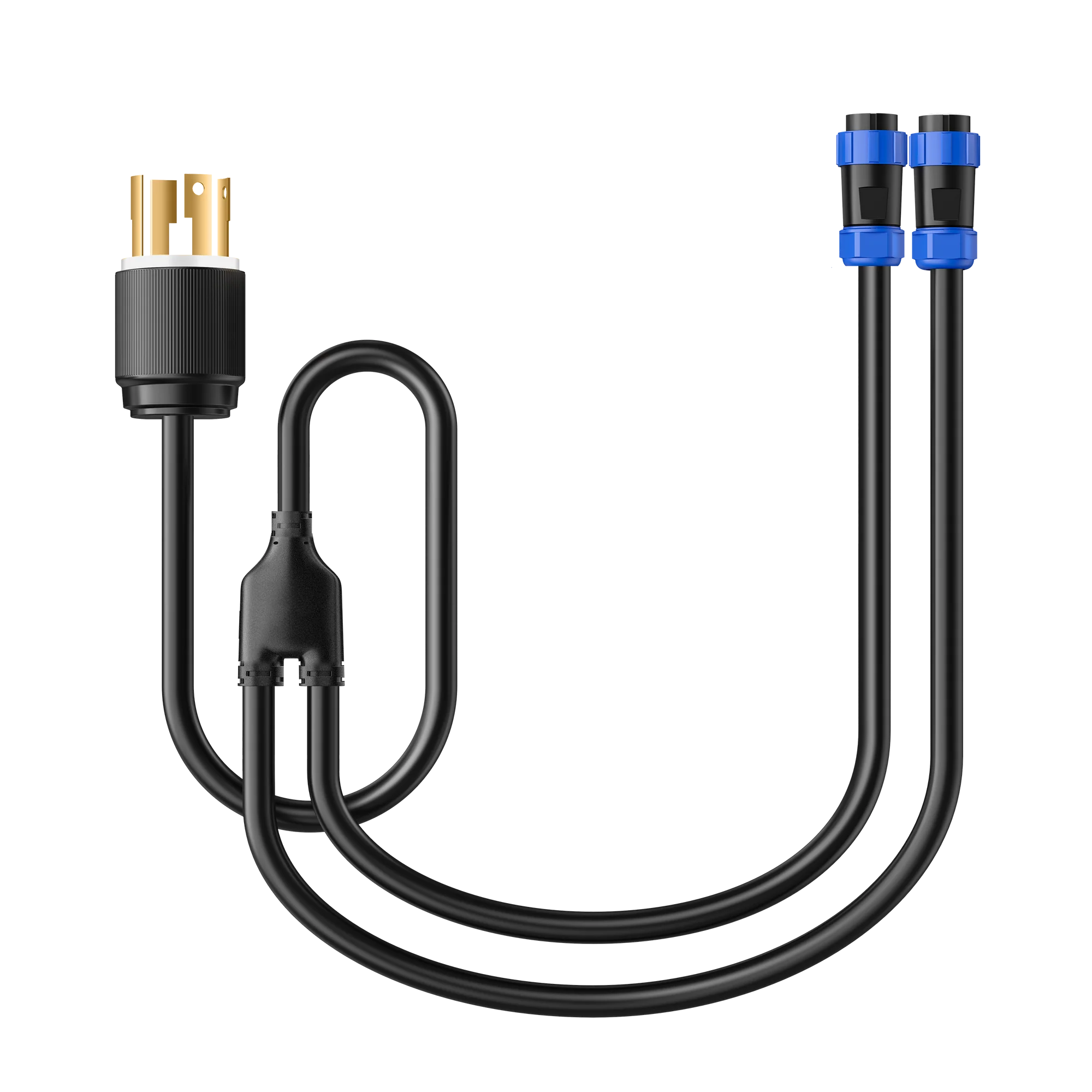
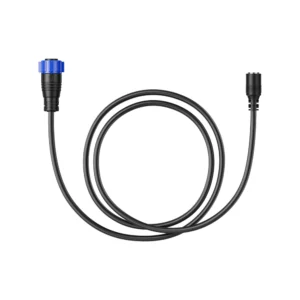
- 1 × Communication Cable (synchronises the two AC500s)
Both variants include Reliance mounting hardware and installation documentation.
What’s not included (and needs separate purchase)
The kit provides the interface hardware. It doesn’t include the power system itself.
- BLUETTI AC500 unit(s) — one for 120V variant, two for split-phase variant
- BLUETTI B300S battery module(s) — minimum requirements listed above; more batteries = longer backup runtime
- Circuit breakers for the sub-panel — your electrician will spec based on which circuits you’re backing up
- Any solar panels or PV input hardware — if you want the system to recharge from solar
- Wire runs from the sub-panel to your home’s main panel — installer-supplied per your specific layout
Installer labour is not optional. North American electrical code requires a licensed electrician for any hardwired connection to your home panel. Budget $800–$2,500 in electrician labour for the 120V install, or $1,500–$4,000 for the more complex split-phase configuration. Permit fees vary by jurisdiction.
How the system actually works during use
Once installed:
Normal grid operation:
- Utility power feeds your home main panel as usual
- The Reliance sub-panel is in “LINE” mode backed-up circuits also run on utility
- Your AC500 sits idle (or is being used elsewhere in the meantime)
During a grid outage:
- Roll (or connect from its fixed position) the AC500(s) to the exterior outlet box
- Plug the appropriate cable from the AC500(s) to the outlet box
- Turn on the AC500(s) — split-phase mode auto-detected via the communication cable in the dual-unit variant
- At the sub-panel, flip each backed-up circuit’s transfer switch from “LINE” to “GENERATOR”
- Selected circuits now run on AC500 battery power
When utility returns:
- Flip the transfer switches back to “LINE”
- Unplug the AC500(s)
- Recharge the AC500 system from mains (or solar) for the next outage
The transfer switches are mechanically interlocked they physically prevent the AC500’s output from backfeeding into the utility grid, which is both dangerous and illegal.
Where each variant makes sense
120V Single Unit good fit for:
- Suburban homeowners wanting basic outage coverage
- Renters with landlord permission to install a sub-panel
- People in areas with rare, short outages who don’t need multi-day capacity
- Anyone with only 120V appliances they’d want to keep running
120V/240V Split-Phase good fit for:
- Rural properties with well pumps, septic pumps, or 240V heat pumps
- Homes with electric ranges, dryers, or EV chargers
- Storm-prone areas where multi-day outages are realistic
- Whole-home backup ambitions (not just essentials)
- Anyone considering going off-grid seasonally or during peak-rate hours
Regional compatibility this is a North American product
This kit works only with the 100–120V US-plug version of the AC500 and only for North American 120V/240V split-phase electrical systems.
Do not buy this kit if you’re in:
- New Zealand or Australia (230V/50Hz single-phase — different plug system entirely)
- UK or Europe (230V/50Hz — Type G/F plugs)
- South Africa, India (230V-adjacent, non-NEMA plugs)
- Any market with 220–240V single-phase mains
The Reliance sub-panel and NEMA plug standards are US and Canadian. For non-NA markets, contact your regional BLUETTI supplier for the equivalent code-compliant integration kit designed for your electrical system.
What this kit doesn’t do
- It’s not a power system. No batteries, no inverter just the interface hardware. The AC500 and B300S units are the actual power source.
- It’s not automatic. Transfer between utility and battery is manual you walk to the panel and flip switches during an outage. For zero-downtime UPS behaviour, the AC500’s own built-in UPS mode handles quick handoffs.
- It’s not universal. North American 120V/240V only. Not compatible with any 230V single-phase market.
- It doesn’t include installation. Budget for a licensed electrician.

 No products in the cart.
Reviews
There are no reviews yet.